
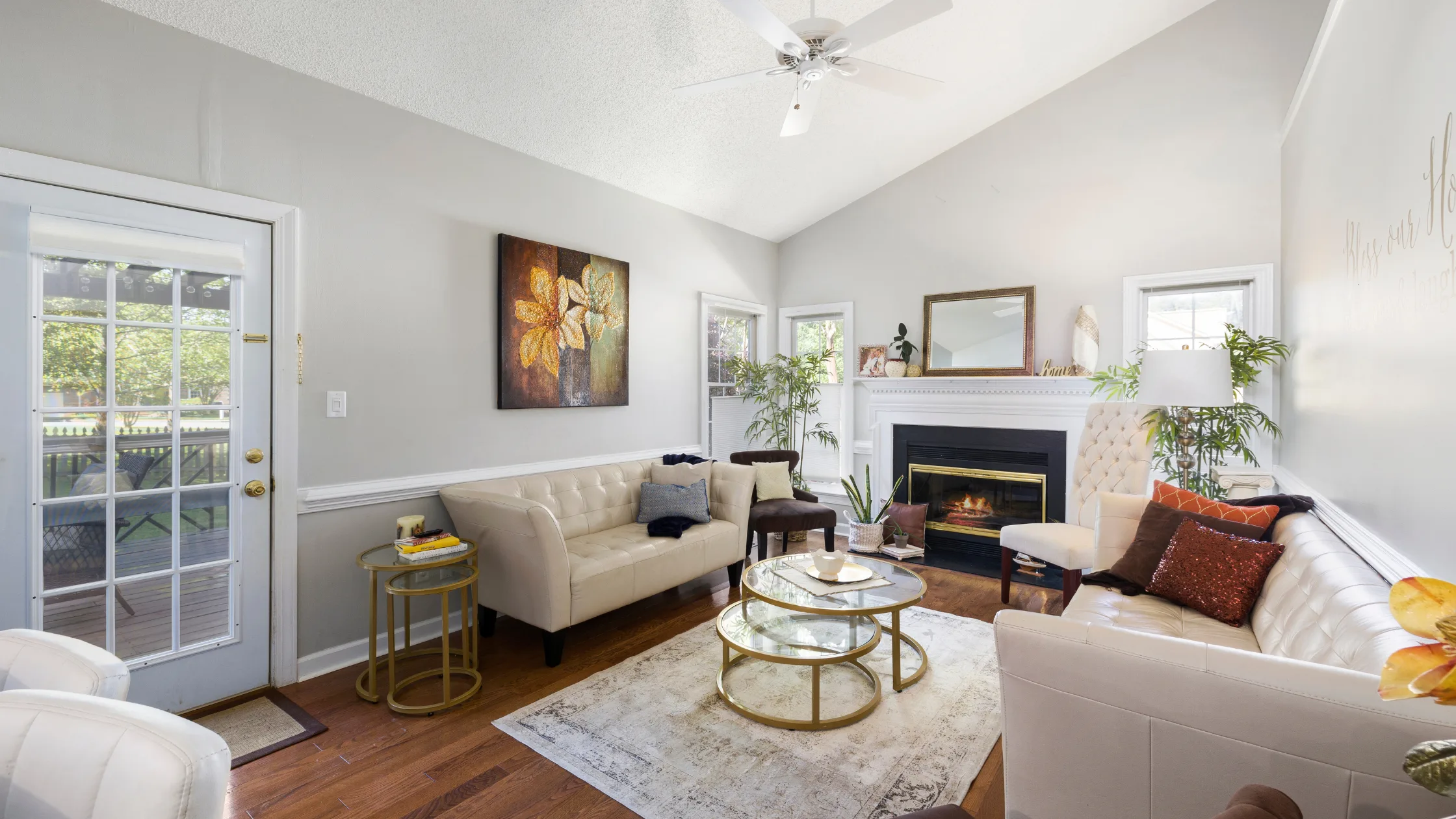
New Home Builders in Christchurch
What it costs. What to know. How to choose.
Building a new home in Christchurch is one of the largest financial decisions you will make. This page gives you the real numbers for 2026, explains what makes Canterbury different (land categories, consent authorities, and subdivision requirements), and helps you compare builders against the needs of your project.
How Much Does It Cost to Build a House in Christchurch? (2026)
| Build Type | Cost per sqm (NZD incl. GST) | Typical Total (200sqm home) | Timeline |
|---|---|---|---|
| Project/volume build (standard spec) | $2,500–$3,200 | $500,000–$640,000 | 6–9 months |
| Custom build (mid-range spec) | $3,200–$4,000 | $640,000–$800,000 | 8–12 months |
| Architectural / high-end | $4,000–$5,500+ | $800,000–$1,100,000+ | 10–14 months |
| Complex site (slope, TC3) | $4,500–$7,000+ | $900,000–$1,400,000+ | 12–18 months |
Editorial planning ranges for the build component, reviewed 28 August 2026 and stated in NZD including GST. Cross-checked against the published King Projects Christchurch range. Stats NZ reported new-housing construction prices rose 1.6% in the June 2026 quarter. Land and many on-costs may be additional; these are not quotes.
All figures indicative for Christchurch/Canterbury, 2026. GST inclusive. Excludes land cost. Actual cost depends on site conditions, specifications, and consent complexity.
What Drives New Build Costs in Canterbury
Land category (TC1/TC2/TC3) is the single biggest variable most people do not budget for. If your site is classified TC3, expect to add $30,000 to $80,000+ in foundation costs alone. This classification comes from post-earthquake assessment and is available on your LIM report. Always check before purchasing land.
Slope and access can add $50,000 to $150,000 for retaining walls, engineering, and difficult site access. This primarily affects Port Hills, Banks Peninsula, and Cashmere properties where earthworks and materials delivery are more complex.
Specification level is where most budgets blow out. The difference between standard and premium spec can double your per-square-metre cost. The biggest movers are joinery, kitchen fit-out, bathroom fixtures, and cladding material. Lock in your specification level early and resist scope creep.
Subdivision covenants in areas like Rolleston, Halswell, Lincoln, and Prestons often mandate specific materials, landscaping standards, or building finishes. These add $10,000 to $50,000 that buyers do not anticipate when purchasing land in a new development.
Consent authority matters because CCC, Selwyn DC, and Waimakariri DC each have different fees, processing times, and interpretive standards. Your builder should know which council your site falls under and how their processes differ.
Double storey vs single storey is a common trade-off. Going up costs 10 to 20% more per square metre than single storey, but uses less land and is often required in smaller subdivision lots where site coverage limits apply.
Garage costs between $40,000 and $80,000 for a double garage. Some builders include this in their per-square-metre quote, others price it separately. Always confirm.
Understanding TC1, TC2, and TC3 Land in Christchurch
After the 2010/2011 earthquakes, Canterbury land was classified into Technical Categories that directly affect what you can build and how much foundations cost:
TC1
Land TC1 uses a standard concrete slab foundation with no cost premium. This covers most western suburbs and the majority of Selwyn District. If you are building on TC1, your foundation is straightforward and adds no complexity to the project.
TC2
Land TC2 requires an enhanced slab or shallow piles, adding $10,000 to $30,000 to your foundation cost. Much of suburban Christchurch falls into this category. It is manageable and most builders handle TC2 routinely, but it must be factored into your budget from day one.
TC3
Land TC3 requires an engineered foundation solution such as deep piles, a raft foundation, or similar. This adds $30,000 to $80,000+ and is found in eastern suburbs, parts of Kaiapoi, and coastal areas. TC3 does not mean you cannot build, but it means foundation design requires a specific engineering assessment and the cost is significantly higher.
How to check: Your property's TC category is on your LIM report from the relevant council. If buying land, request this before making an offer.
The New Home Build Process in Canterbury
Building a new home follows a defined sequence. Understanding each stage helps you plan your timeline and know what to expect.
Design and plans
4–12 weeksThis is where your home takes shape on paper. You will work with either an architect or your builder's design team to finalise floor plans, elevations, and engineering specifications. The more complex the design, the longer this stage takes.
Building consent
3–6 weeksYour plans are submitted to CCC, Selwyn DC, or Waimakariri DC depending on your site location. The statutory processing time is 20 working days, but allow extra for requests for information. Your builder should manage this process.
Site works and foundations
3–6 weeksEarthworks prepare the site, services (water, sewer, power) are brought to the building platform, and the foundation is poured. TC3 sites take longer due to piling requirements.
Framing
3–5 weeksWalls go up, roof trusses are installed, and windows are fitted. This is the stage where your home first looks like a house. It is also when you will finalise any last structural decisions.
Roof and exterior
3–5 weeksRoofing is installed, cladding goes on, and the building becomes weathertight. Once weathertight, interior work can proceed regardless of weather conditions.
Internal fit-out
6–10 weeksThis is the longest stage. Plumbing, electrical, insulation, wall linings, kitchen, and bathrooms are all installed. Most of your specification decisions show up here.
Finishing
3–5 weeksPaint, flooring, fixtures, landscaping, and driveways. This is where your home goes from a construction site to a liveable space.
Code compliance certificate
2–4 weeksFinal inspections are completed and CCC (or the relevant council) issues your Code Compliance Certificate. This confirms the build meets all consented plans and the Building Code.
Fixed Price vs Cost Plus: Which Contract for Your New Build?
Choosing a contract type is one of the most important decisions you will make before construction starts.
Fixed Price
gives you certainty. You know the total before starting, the builder absorbs any cost overruns, and your budget is locked in. The trade-off is that builders price in a risk margin (typically 5 to 10%), and variations to the agreed scope are priced individually and can be expensive. Fixed price works best for standard to mid-range builds with a clearly defined scope.
Cost Plus
gives you transparency. You see every invoice, every receipt, and pay actual costs plus a margin (typically 10 to 15%). The risk sits with you because the final cost depends on what things actually cost. Changes are absorbed naturally into the build without expensive variation pricing. Cost plus works best for complex or high-end builds where scope is difficult to define upfront, or for experienced homeowners who want full control.
Our recommendation: If this is your first build, choose fixed price with a clearly defined scope. The certainty is worth the 5–10% premium builders add to cover their risk.
How to Choose a New Home Builder in Christchurch
Must-Haves
- Licensed Building Practitioner (LBP) licence (mandatory for restricted building work)
- Master Build or NZCB 10-year guarantee
- Fixed-price contract with clearly defined inclusions and exclusions
- Proven experience in your area (TC categories, council requirements)
- Portfolio of completed Canterbury homes in a similar style/budget to yours
- Transparent variation process (written, priced before work proceeds)
Questions To Ask
- What is your current build timeline? (Honest builders have a waiting list)
- What is included and what is excluded? (Driveways, landscaping, fencing?)
- How do you handle council delays?
- What is your defects liability period?
- Can I visit a home you are currently building?
Red Flags
- No waiting list (good builders are busy)
- Vague inclusions ("standard selections" without a showroom visit)
- Pressure to sign quickly
- No guarantee programme
- Cannot provide references from the last 6 months
Where People Are Building in Christchurch (2026)
Rolleston / Lincoln
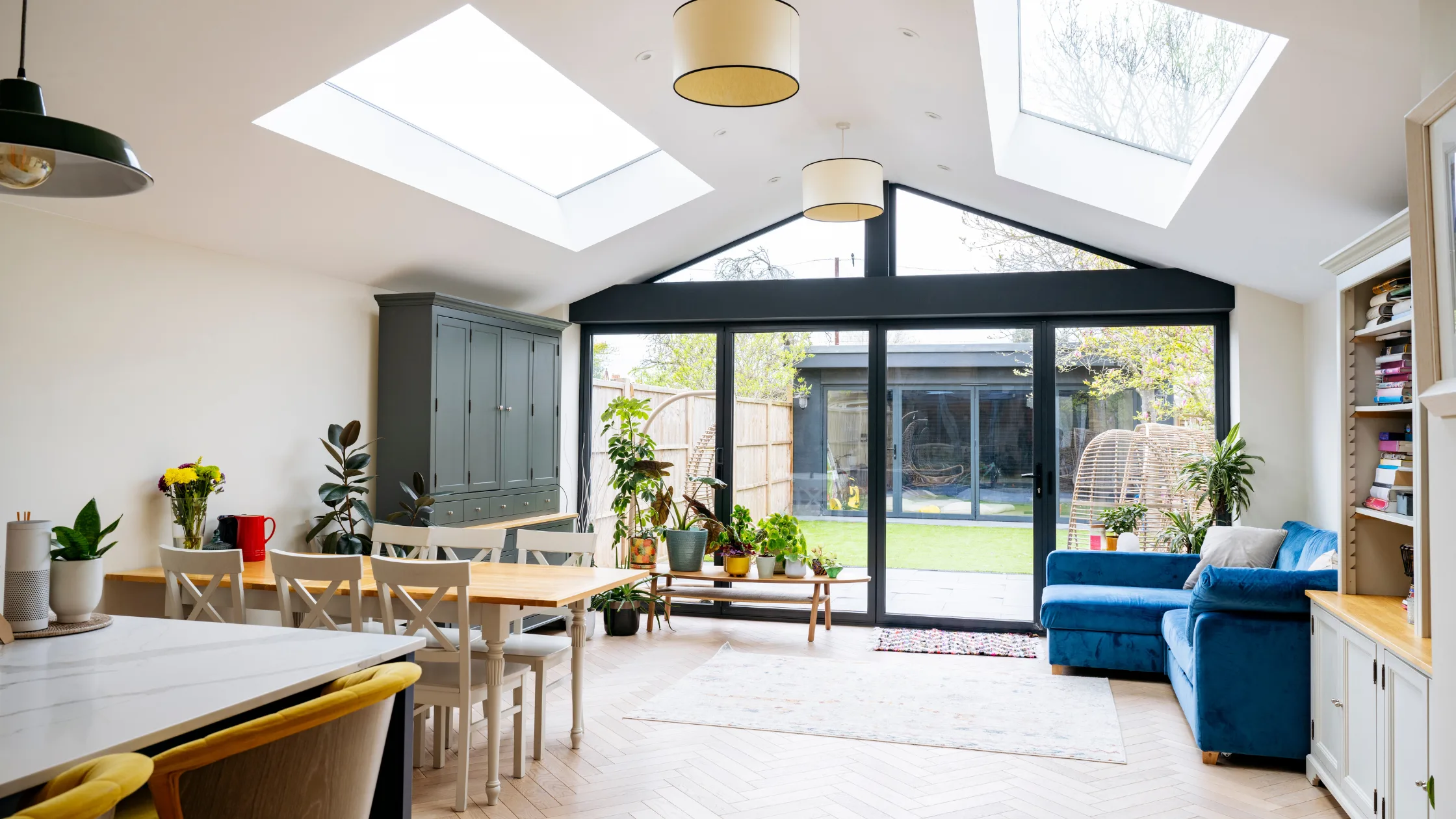
remain the most popular new-build areas in Canterbury. Land costs range $280,000 to $400,000, most sites are TC1, and consents go through Selwyn District Council. Strong subdivision covenant requirements in newer developments.
Halswell / Wigram
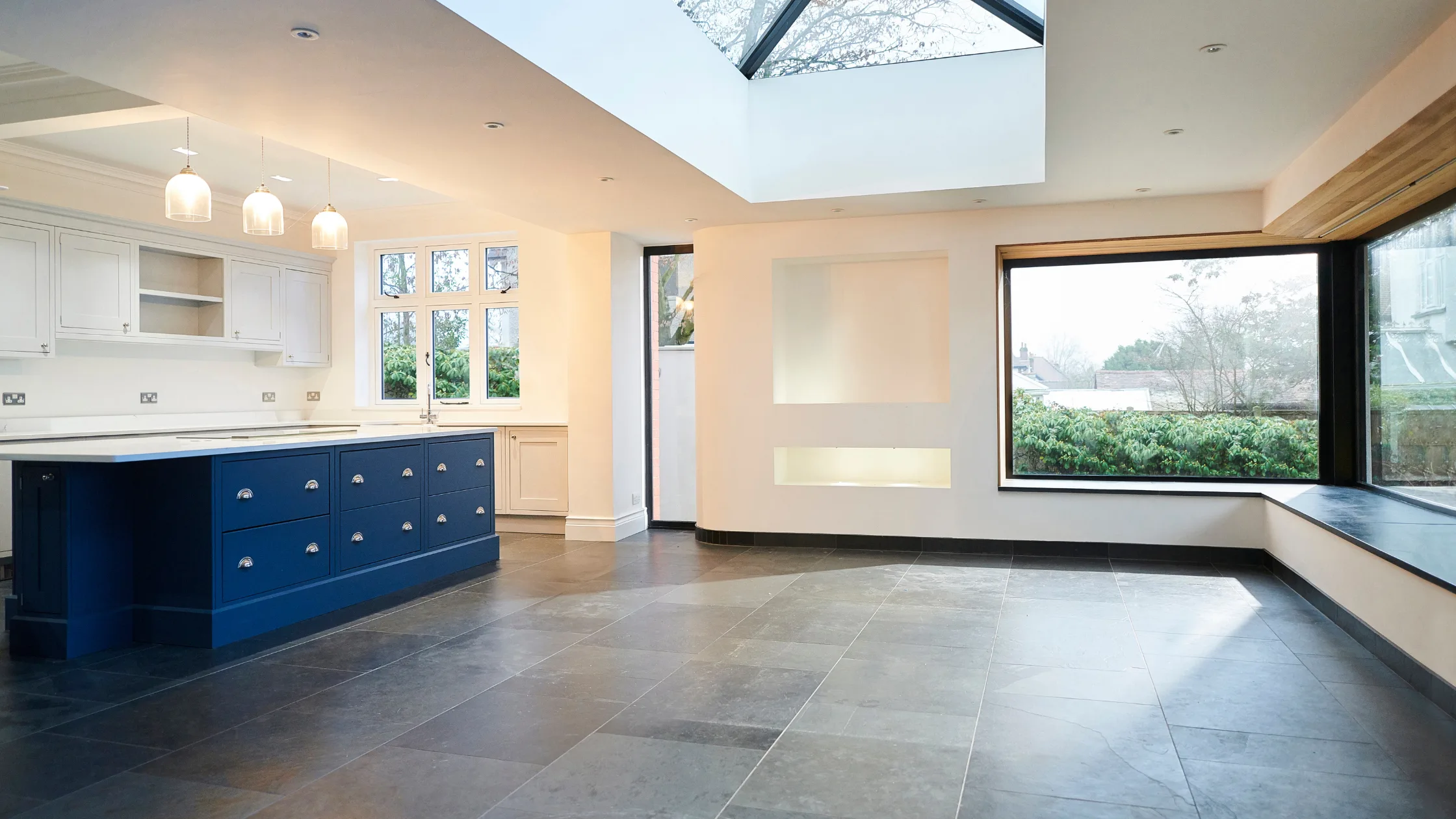
sit on the city fringe with land costs between $350,000 and $500,000. Most sites are TC1 to TC2. Consents go through Christchurch City Council. Popular with families who want proximity to the city without inner-city prices.
Prestons / Marshland
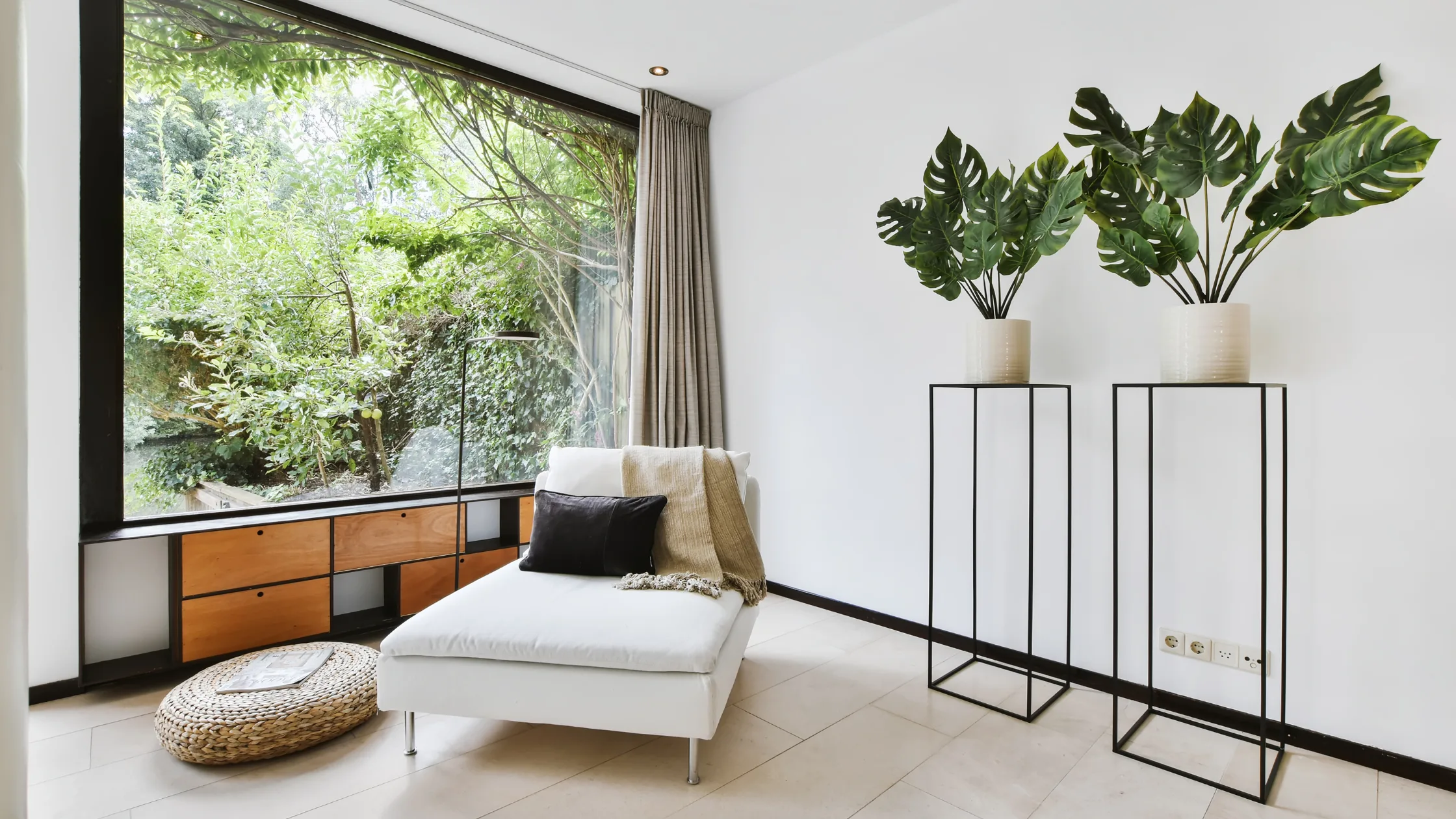
in the north-east offer land at $300,000 to $420,000. Check TC categories carefully as some areas are TC2. Consents go through CCC. Large-scale subdivision with good infrastructure but check ground conditions.
Rangiora / Woodend
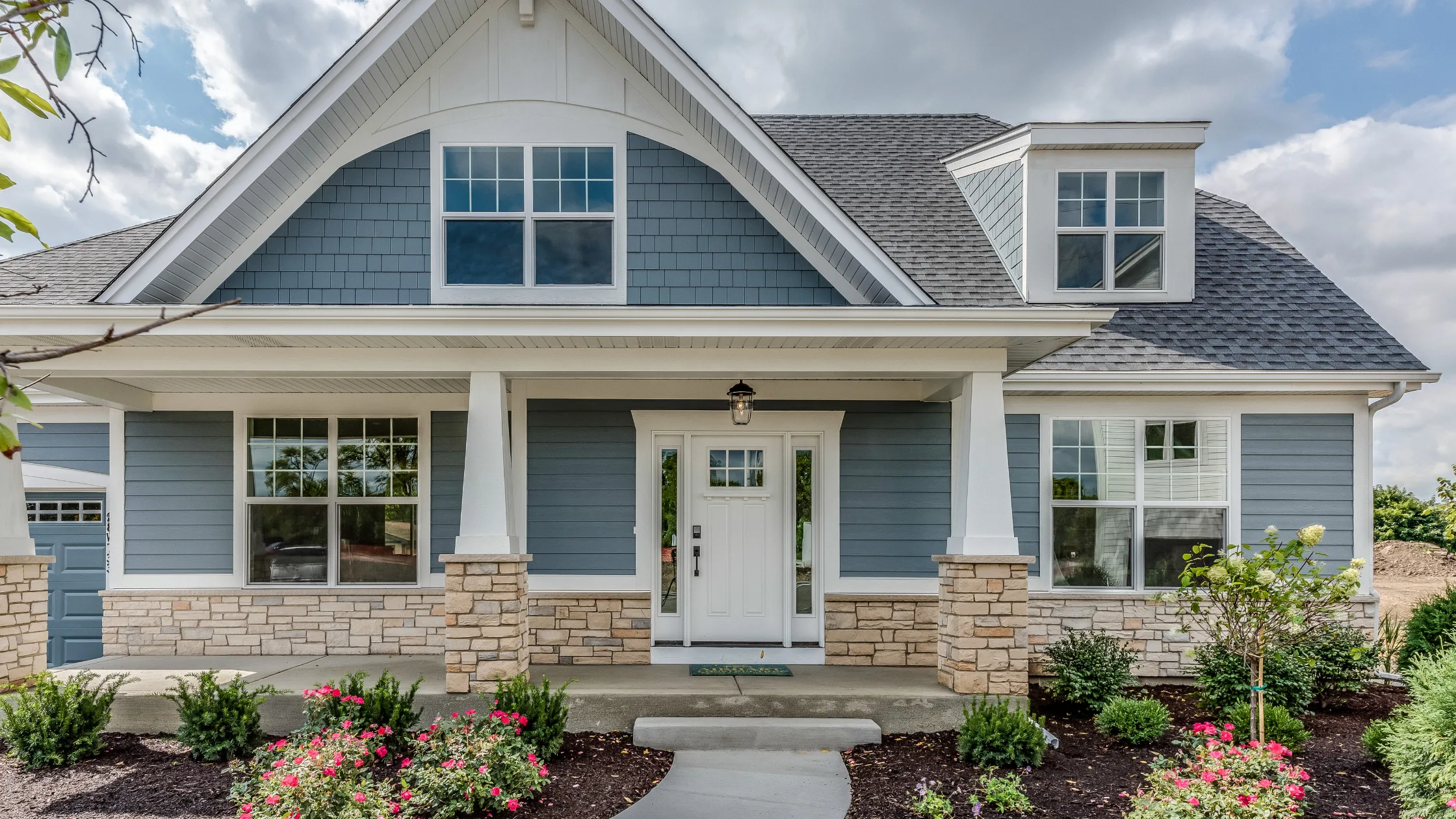
in the Waimakariri district have land from $250,000 to $380,000 with TC1 to TC2 conditions. Consents go through Waimakariri District Council. Growing rapidly with good schools and town centre amenities.
Port Hills / Cashmere
command premium land prices of $400,000 to $700,000+ due to elevated views. Slope-dependent foundation requirements mean building costs are higher. Consents go through CCC. These are typically architectural or high-end builds.
Frequently Asked Questions About Building a New Home in Christchurch
Ready to Start Your New Home Build?
Describe your project and request a reviewed Christchurch builders who specialise in new homes. Free, no obligation.